Keep Your Child Safe in The Water - Building Confidence Through Competence
Your Child's Safety is Our Priority
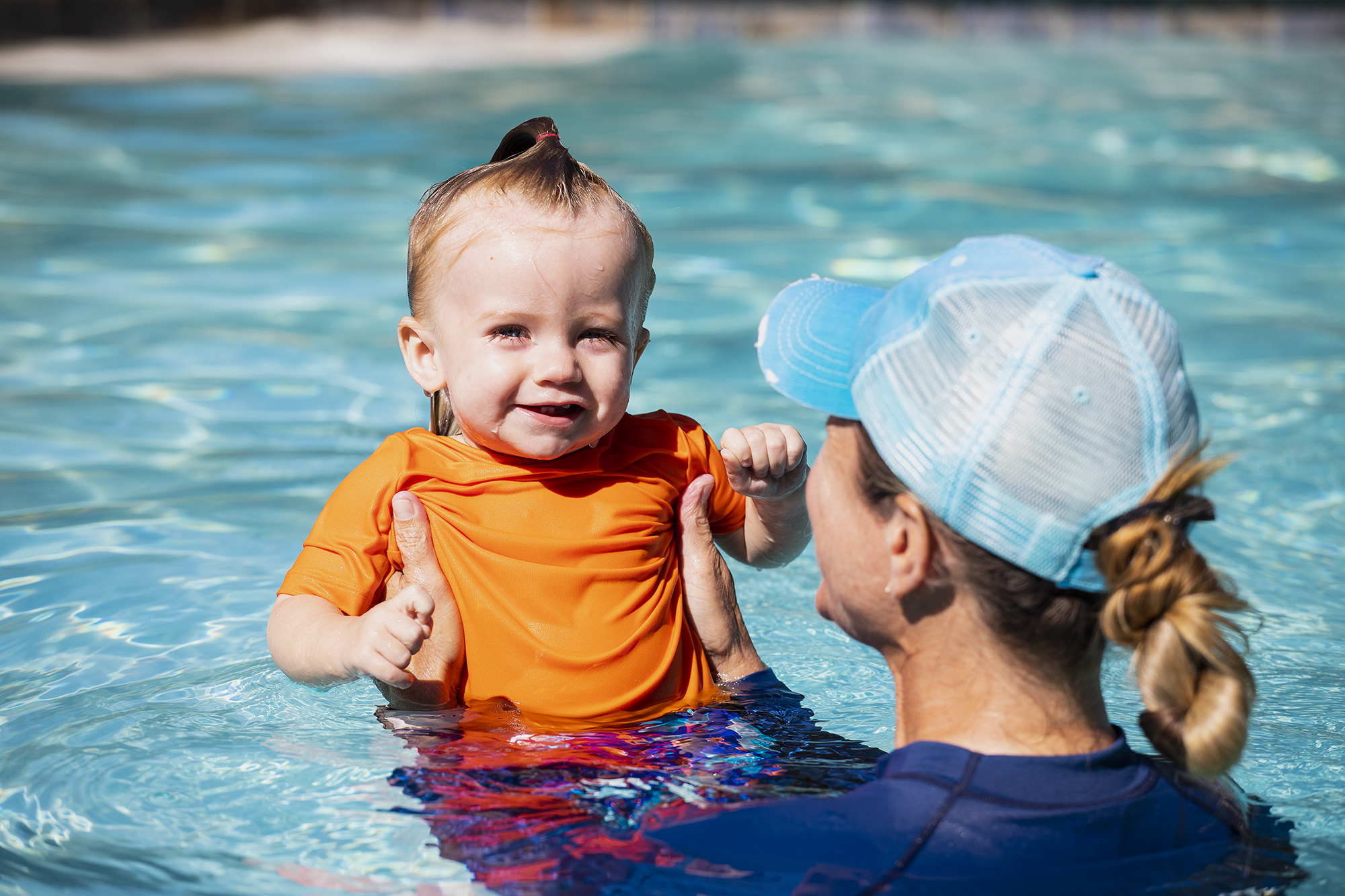
One-on-One Survival Swim Instruction
Every child is unique. Our individualized, private ISR lessons are tailored to your child's unique needs, pace, and personality. We provide focused attention on your child, helping them learn self-rescue skills step-by-step while building confidence as they go!
Refreshers for Returning Swimmers
Children grow and develop rapidly during early childhood, and their swim skills need to adjust as they grow. Refresher lessons are shorter sessions, designed for students who have already completed ISR lessons and need to keep their skills fresh. These classes reinforce their survival skills, adjust for growth and changes in their proportions, and keep your little one confident and capable in the water year after year.
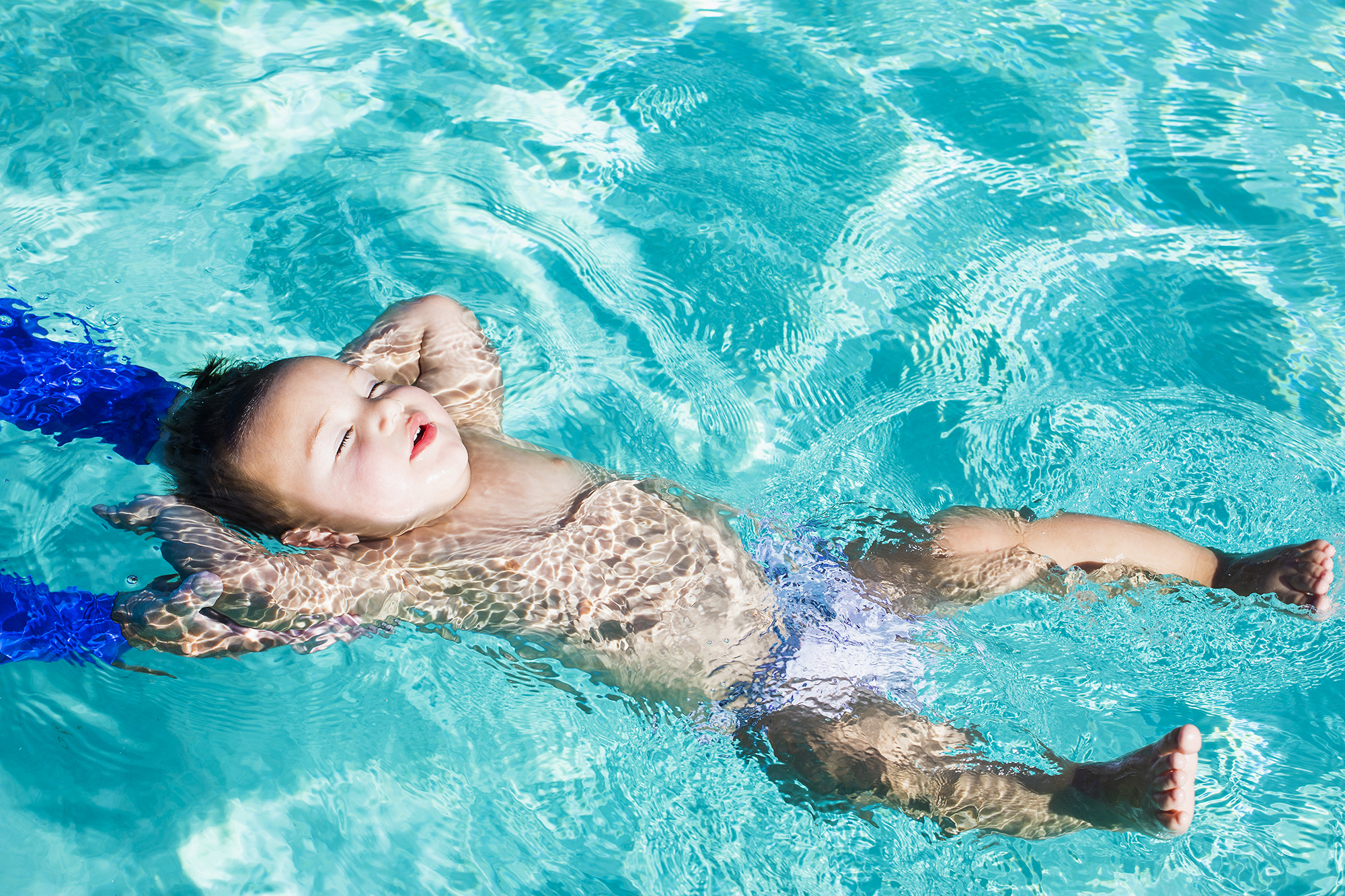
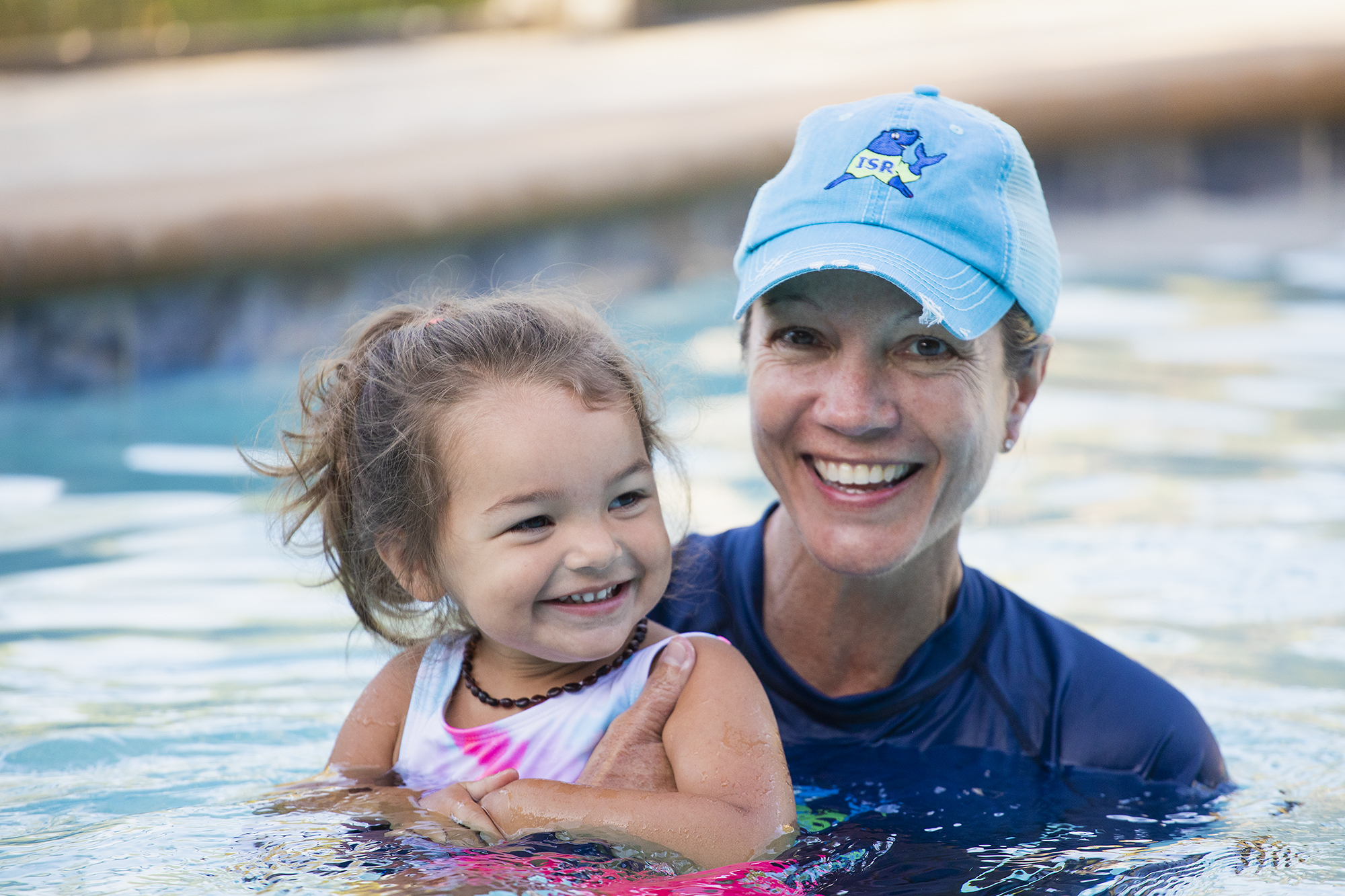
Maintenance Lessons for Practice
Maintenance lessons provide continued practice for children following their initial ISR lessons. Regularly scheduled weekly or even monthly lessons help keep your child's skills fresh while supporting long-term confidence and safety. Contact us to see what maintenance schedule makes sense for your little one!
FAQs
If more frequent but shorter lessons are better, then why don’t you teach 7 days/week?
Everyone needs a little break from learning to process the information and in this case to give muscles a
chance to recover. In addition, you need to be able to spend time with your family, as does your
instructor. Weekends are family time. Periodically, if weather or other issues have cause lessons to be
canceled for numerous days, your instructor may choose to offer make-up lessons on a weekend. This is
strictly up to the instructor and based on the availability of parents.
How do you teach them to hold their breath?
Breath holding skills are taught beginning with the first lesson. We shape breath control using highly
effective positive reinforcement techniques. We continue to reinforce these breath-holding techniques
throughout every lesson.
How is it that babies can learn to respond to the danger of water when they fall in?
A baby does not need to perceive danger or be afraid to respond appropriately to being underwater. If a
baby has learned to roll over and float when he needs air, he doesn't need to perceive danger in order to
respond in this manner. He needs skill, practice and confidence to calmly deal with the situation.
Do parents have to leave during the lessons?
No. You are truly the best cheerleader your child could have. Your positive support and encouragement
are invaluable to creating an effective learning environment for your child.
Get in Touch
Discover more about our programs and how we can help you.