What to Expect
Discover our personalized approach to teaching infants and young children water survival skills.
What to Expect
From Sign-Up to Skills: Our Process
Reserving Your Lesson Slot & Registration
To start, parents reserve a lesson time slot with us to secure their preferred time.
Next, new students must register with Infant Swimming Resource (ISR). This one-time registration includes a health screening reviewed by ISR’s Registration Evaluation Team to ensure lessons are safe and appropriate for your child. After registration, you’ll receive all the details you need to prepare for the first lesson, including schedules, pool location, and tips to help your child succeed.
Daily Lesson Schedule
Lessons are 10 minutes per day, 5 days per week (Monday–Friday). Short, consistent lessons are highly effective and allow children to focus and retain skills. Regular attendance is essential to progress.
Typical Timelines
Initial Session: Most children complete the core ISR program in about 6 weeks, depending on age and individual progress.
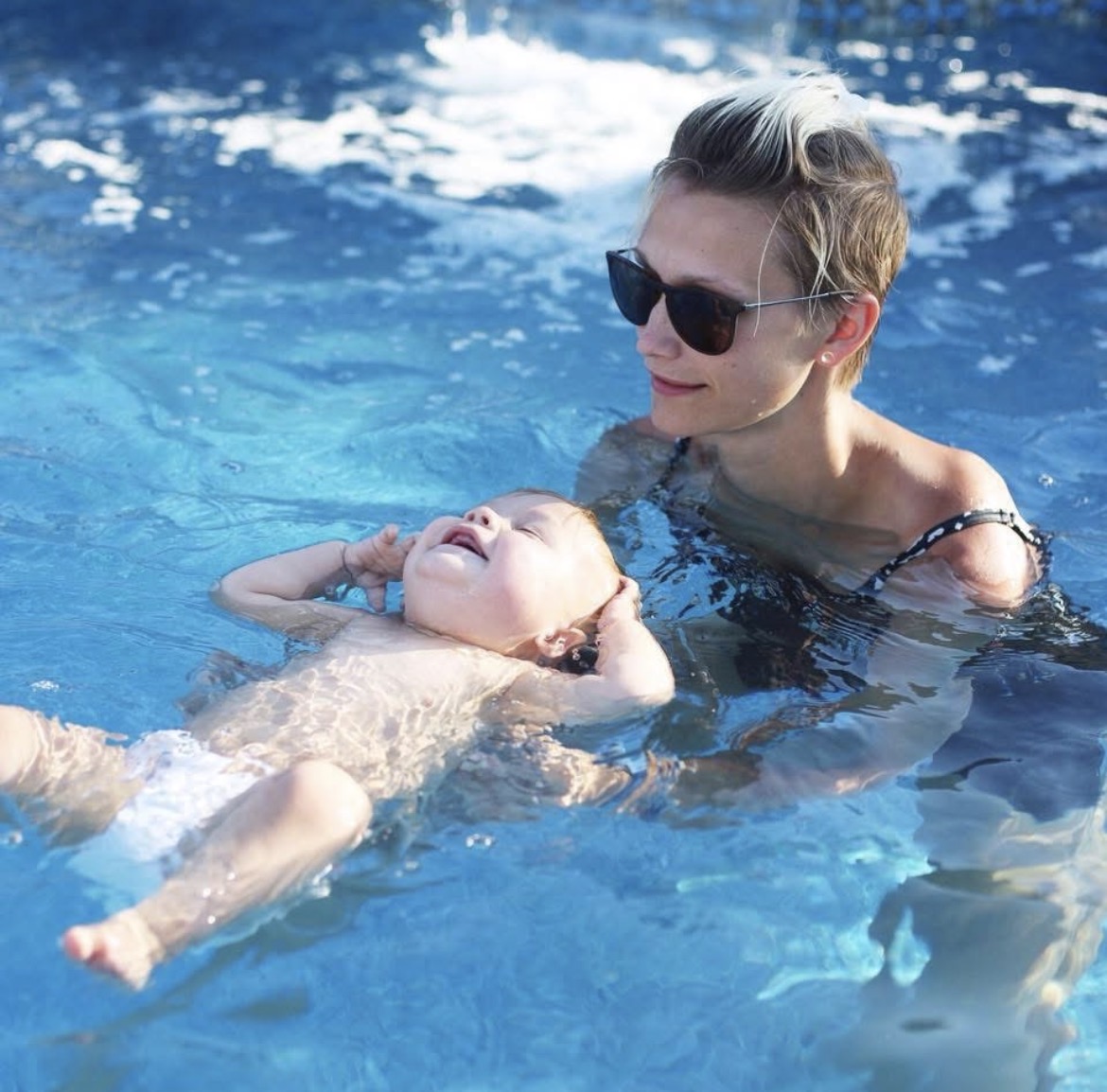
Age 6–14 months: Your baby learns to turn onto their back to breathe, rest, and float independently.
Age 15 months-2 years: Your child swims a short distance, then rolls to their back to rest and breathe.
2 years+: Your child swims underwater, floats to breathe and rest, then continues swimming. "Swim-Float-Swim."
Refreshers: Recommended every 6–12 months to reinforce and adjust skills as your child grows.
Parent Roles
Observation: Parents stay poolside so children can focus fully on the instructor.
Daily BUDS Check: At the start of each lesson, I’ll ask about your child’s sleep, appetite, energy, and bathroom output (BUDS) to ensure lessons are safe and responsive.
Encouragement: Celebrate your child’s progress — every milestone matters!
Then What?
Maintenance Lessons are the most common follow-up option. Typically biweekly or monthly to help reinforce existing skills, fine-tune technique, and adjust to growth or developmental changes.
Refresher Lessons are recommended every 6 months, and consist of daily lessons for 1–3 weeks. These are especially helpful for children who were unable to attend regular maintenance or who need a more focused review.
Parents work with the instructor to determine the right Maintenance + Refresher schedule for their child.
Learn More
Check out our programs and get started today!